The Severity of Maritime Piracy Crimes
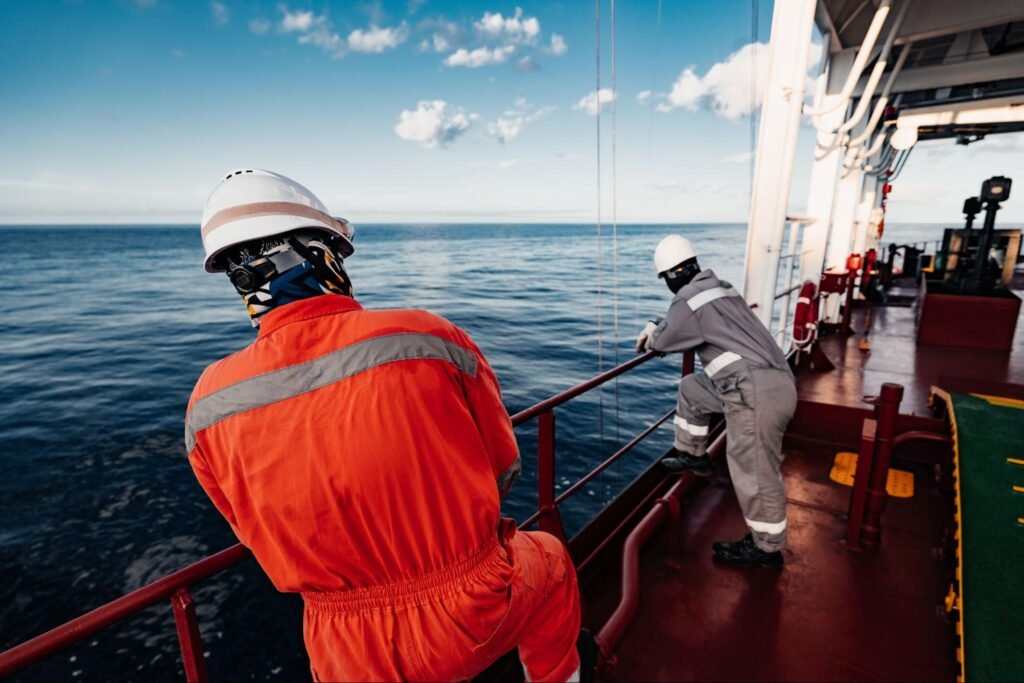
Modern-day piracy threatens the lives of crew members and the safety of international shipping. Attackers board vessels to steal property, seize control of ships, or hold crews for ransom. Even an attempted boarding can expose seafarers to violence far from emergency assistance.
If you suffer injuries during an attack, maritime law may provide a way to recover medical expenses and other losses.
What Counts as Maritime Piracy?
The United Nations Convention on the Law of the Sea (UNCLOS) establishes piracy rules under international maritime law. Its definition includes certain acts of violence, detention, or plunder committed for private ends by the crew or passengers of a private vessel against another vessel, its occupants, or its property.
The definition generally applies to attacks on the high seas or in places outside any state’s jurisdiction. UNCLOS piracy provisions also apply in exclusive economic zones. Knowingly participating in the operation of a pirate vessel or intentionally facilitating piracy can also fall within the definition.
Piracy vs. Armed Robbery at Sea
Similar crimes within a country’s internal waters, archipelagic waters, or territorial sea generally qualify as armed robbery against ships under the International Maritime Organization’s definition.
This distinction affects jurisdiction. International law permits states to exercise universal jurisdiction over piracy, while coastal states generally investigate and prosecute armed robbery within their waters. Both offenses endanger crews.
How Severe Is Maritime Piracy Today?
The International Maritime Bureau’s January–June 2026 report recorded 38 incidents of maritime piracy and armed robbery worldwide, compared with 90 during the same period in 2025.
Those incidents included:
- 27 vessel boardings
- 5 hijackings
- 3 incidents in which attackers fired upon vessels
- 3 attempted attacks
The report also recorded 67 crew members taken hostage, two threatened, and one injured. These figures show why fewer reported incidents do not necessarily mean minor consequences.
Hostage-taking deprives crews of their freedom and exposes them to threats of violence. Hijacking places the vessel under criminal control. An attack aimed at stealing property can also escalate if crew members encounter armed intruders.
Where Pirate Attacks Occur
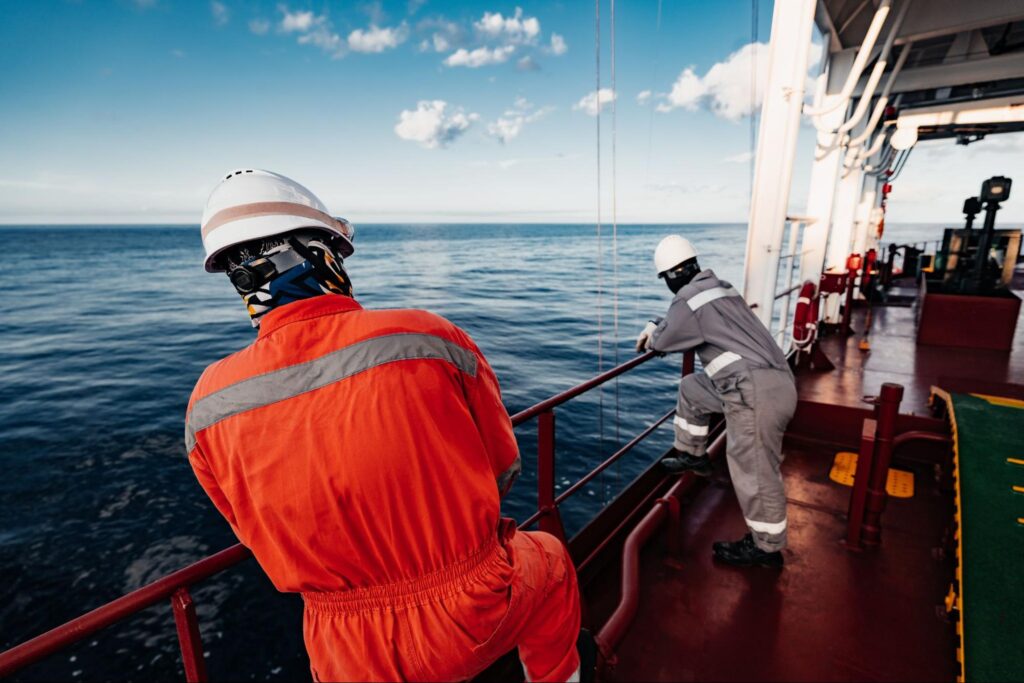
Piracy and armed robbery affect several shipping regions, but the threats differ by location. The same IMB report identifies these areas of concern:
- Singapore Strait: Reported incidents decreased, but vessel boardings continued. Crews experienced threats, hostage-taking, and injury.
- Somali coast and surrounding waters: Renewed Somali piracy included four vessel hijackings between April and May 2026. Somali pirates accounted for most crew members taken hostage worldwide during the reporting period.
- Manila Anchorage: Eight incidents were reported, compared with none during the first half of 2025.
- Gulf of Guinea: Despite the decline, two incidents were reported and Gulf of Guinea piracy remains a concern that requires continued patrols and regional cooperation.
These findings describe activity during a specific period. Operators should review current voyage advisories because criminal activity shifts and past improvements do not eliminate future threats.
How Pirate Attacks Happen
Sea piracy involves different tactics depending on the vessel’s location and the attackers’ objectives. Some approach moving ships in small boats and use boarding equipment to reach the deck. Others board vessels at anchor, where darkness offers opportunities to enter without immediate detection.
Once aboard, intruders might steal supplies or equipment, target cargo, or attempt to control the vessel. Some hold crew members hostage to demand payment.
For seafarers, the immediate danger comes from confrontation with attackers. An offshore location also complicates rescue and access to medical care. Following the vessel’s emergency procedures and communicating the threat are therefore central parts of the response.
Anti-Piracy Measures That Reduce Risk
Shipowners and operators should prepare for identified threats before entering affected waters. The IMO’s counter-piracy guidance addresses prevention, reporting, and cooperation with authorities.
Depending on the vessel and voyage, precautions include:
- Voyage planning: Assess current warnings, routing options, and reporting requirements.
- Crew training: Practice emergency communications and the vessel’s response procedures.
- Boarding prevention: Use suitable access controls, barriers, and monitoring.
- Secure refuge: Prepare citadels where appropriate, with communications and essential supplies.
- Additional protection: Consider naval coordination or qualified armed guards where lawful and suitable.
No single measure guarantees safety. Protection depends on preparation and the effective use of measures suited to the threat.
Legal Protections for Injured Maritime Workers
If you suffer injuries during a pirate attack, your legal options depend on your work status and the circumstances. Criminal prosecution of the attackers is separate from your claim for injury benefits or compensation.
The Jones Act (46 U.S.C. § 30104) allows qualifying seamen to pursue damages when employer negligence contributed to an injury. An investigation could examine ignored warnings, inadequate training, or failures to implement appropriate security procedures. The attack itself does not automatically establish employer liability.
Qualifying seamen injured in a vessel’s service also generally have rights to maintenance and cure. This remedy provides necessary medical treatment and basic living expenses during recovery, regardless of employer fault, until maximum medical recovery.
After reaching safety, seek medical care and report your injuries. Keep medical records, witness information, incident reports, and relevant communications to support an attorney’s review of your maritime injury claim.
How Schechter, Shaffer & Harris Can Help

If you suffered injuries during a pirate attack, Schechter, Shaffer & Harris can review your circumstances and explain your potential rights under maritime law. Our attorneys can investigate the events surrounding the attack and evaluate your options for compensation.
Contact our team of experienced maritime accident attorneys for a free consultation about your injuries and next steps.
Frequently Asked Questions
How dangerous is maritime piracy for crew members today?
Piracy exposes crews to armed confrontation, injury, and captivity. The IMB recorded 67 crew members taken hostage during the first half of 2026 despite declining incident totals.
What are the most piracy-prone waters in the world right now?
Recent IMB reporting highlights the Singapore Strait, Somali waters, and Manila Anchorage. The Gulf of Guinea also requires vigilance, although reported incidents declined.
What is the difference between piracy and armed robbery at sea?
The distinction primarily concerns location. Piracy generally occurs outside territorial waters, while armed robbery against ships occurs within waters under a coastal state’s jurisdiction.
Can an injured seafarer recover compensation after a pirate attack?
Yes, depending on legal status and the facts. Maintenance and cure or a Jones Act negligence claim could apply, but employer liability is not automatic.
What legal penalties do maritime pirates face?
UNCLOS provides a framework for states to seize pirate vessels and prosecute offenders. National laws determine the charges and penalties.
In the United States, 18 U.S.C. § 1651 prescribes life imprisonment for piracy under the law of nations when the offender is brought into or found in the country. Other crimes associated with an attack carry separate penalties under applicable law.
The post The Severity of Maritime Piracy Crimes appeared first on Maintenance and Cure.
Source: Read More

